


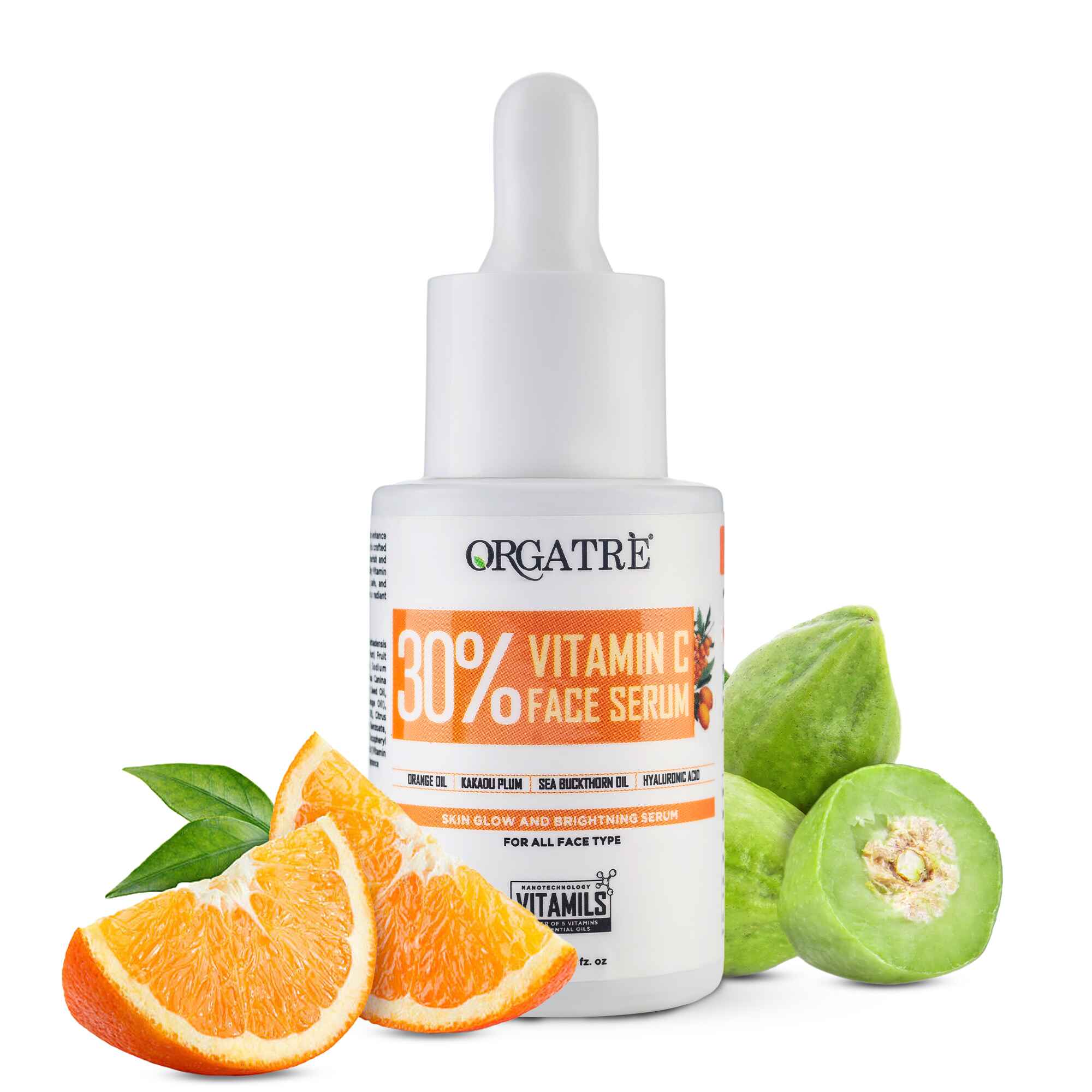


A vitamin C face serum is one of those products everyone recommends for dark spots, but nobody really explains why it works. Here's what's actually happening on your skin, what to check for when picking the best vitamin C serum for face, and what a realistic timeline looks like. No confusing science, just the basics.
What Causes Hyperpigmentation?
Hyperpigmentation happens when a patch of skin makes more melanin than the skin around it. It's usually triggered by sun exposure, inflammation (like a pimple that's healed), or hormonal changes. Behind the scenes, an enzyme called tyrosinase drives the whole process. The more active it is in a spot, the darker that patch turns compared to everything around it.
That's why dark spots look so different from person to person. Rather than one even, all-over color change like a suntan, hyperpigmentation shows up as a bunch of small, localized "overproduction" spots.
How Vitamin C Actually Helps
Vitamin C, specifically L-ascorbic acid, its most active form, works by slowing down tyrosinase. That means it slows how much new melanin gets made in those overactive spots. It's also a strong antioxidant, so it helps fight off the free-radical damage caused by sun and pollution, the same damage that can trigger dark spots in the first place.
Vitamin C doesn't erase spots overnight. It works upstream, slowing new pigment while your skin's natural process gradually clears out what's already there. That's why using it consistently matters far more than any single use.

What to Check on the Label?
Not every vitamin C face serum is the same, and concentration is the one detail most people skip past. Most research points to 10 to 20% as the sweet spot: strong enough to actually do something without being so strong that it irritates your skin for no extra benefit. Above 20%, you're usually just paying more without much extra payoff.
While you're checking the label, also look for L-ascorbic acid specifically, since it's the most studied and most effective form, and see if it's paired with something like vitamin E or ferulic acid. These help the serum stay stable and work properly once it's opened.
How Long Before You See Results?
A vitamin C serum takes time. Most people start seeing real improvement somewhere between 4 and 12 weeks of daily use. Your skin needs time to cycle through and clear out old pigment. It doesn't happen the moment you apply the product. If nothing's changed in the first couple of weeks, that's completely normal.
Pair It Right with Vitamin C, SPF, and Niacinamide
A vitamin C serum works best as part of a small routine.
With SPF, it's non-negotiable
Vitamin C helps fight some UV-related damage, but it can't do the job sunscreen does. Skip SPF, and new sun exposure can trigger the same spots you're trying to fade. Use vitamin C in the morning, then always follow with SPF.
Use a vitamin C and niacinamide serum or routine
You may have heard these two "cancel each other out." That's outdated advice. Most modern formulas are made to work well together: niacinamide calms and supports your skin barrier, while vitamin C targets the pigment itself. Together, they cover more ground than either one alone.

Who Should Go Slow
If you have very sensitive or reactive skin, vitamin C, especially at a higher strength or as pure L-ascorbic acid, can cause stinging, redness, or flaking when you first start. Begin with a lower concentration or a gentler form, and use it a few times a week before working up to daily.
Patch test any new product first, and give your skin a few weeks to adjust before judging whether it's working. If you're comparing options for the best vitamin C serum for face or a dark spot removal serum, this is the kind of gradual approach worth applying to whichever one you pick.
FAQs
Q. Can I use vitamin C serum every day?
Most formulas are meant for daily use, usually in the morning. If your skin is sensitive, start with three to four times a week and build up from there.
Q. Does vitamin C serum work on all skin tones?
Yes. Hyperpigmentation and the process that causes it are the same across skin tones, so vitamin C works the same way regardless of your base skin color.
Q. Can I use vitamin C serum at night instead of morning?
You can, but morning is generally preferred since its antioxidant effect helps counter free-radical damage from daytime sun and pollution exposure. If mornings don't work for your routine, nighttime use still helps with the pigmentation itself.
Q. Will vitamin C serum lighten my natural skin tone?
No. It targets areas of excess melanin production, not your overall skin tone. It fades dark spots rather than bleaching skin.
Q. What if my dark spots don't fade after 12 weeks?
Some pigmentation, especially deeper or older marks, takes longer than 12 weeks or may need additional treatment like a dermatologist-prescribed option alongside vitamin C. If you see zero change after 12 consistent weeks, it's worth getting a professional opinion.


