




Retinol has a reputation for being one of those skincare ingredients you either love or approach with extreme caution. Stories about peeling, redness, dryness, and suddenly having to rethink your entire routine can make the first step feel harder than it needs to be.
Timing can help.
Winter can be a practical season to introduce retinol because you're less likely to be dealing with intense heat, sweating, and long days spent outdoors. That doesn't mean winter gives your skin a free pass from UV exposure. You still need sunscreen every morning. But with a slower introduction and a good moisturizer, the cooler months can give beginners a manageable window to build tolerance.
If you've been searching for retinol benefits and how to use it, start with the basics: understand what the ingredient does, introduce it gradually, and give your skin enough time to adjust.
What retinol actually does: cell turnover and collagen support
Retinol is a form of vitamin A and belongs to the larger retinoid family. Once applied to the skin, it undergoes conversion to active retinoid forms that influence how skin cells behave.
One of its best-known effects is supporting skin-cell turnover. This can help improve the appearance of uneven texture, dullness, and some signs of photoaging over time.
Retinoids also influence processes involved in collagen production and the structure of the dermis. A review available through the National Centre for Biotechnology Information discusses retinoids' effects on epidermal changes, collagen synthesis, and photoaged skin. Read the NCBI review on retinoid efficacy.
Clinical research also supports giving retinol time to work. In a 12-week study of a topical cosmetic retinol, researchers observed improvements in photodamage, uneven skin tone, roughness, and fine lines by the end of the study period. Read the 12-week retinol study.
That doesn't mean every retinol product will produce identical results. Formula, concentration, consistency, and individual skin tolerance all matter.
Why photosensitivity makes winter the safer starting season
There's an important distinction here: winter does not eliminate sun exposure.
Retinoids can make skin more sensitive to the sun, which is why dermatologists recommend using them at night and protecting your skin during the day. The American Academy of Dermatology recommends sun protection year-round, including during winter. Read the AAD guidance on retinoids and sun protection.
So why consider winter for your first retinol?
For many people, the season simply makes the routine easier to manage. You may spend less time in direct midday sun, sweat less heavily than you would during a hot summer commute, and find it easier to keep a consistent evening skincare routine.
There is another side to this, though. Winter air can also be dry, and retinol can cause temporary dryness or irritation when you first start. That means winter isn't automatically easier for everyone. If your skin is already very dry, cracked, irritated, or sensitive, introducing retinol may need more caution.
The goal isn't to wait for a particular month. It's to start when your skin is reasonably calm, and you can commit to daily sun protection.
How to introduce retinol without irritation: a frequency ramp-up
For retinol for beginners, starting slowly is far more useful than trying to build tolerance in a week.
A simple introduction could look like this:
-
Week 1: Use retinol once during the week.
-
Week 2: Use it twice, with several days between applications.
-
Weeks 3–4: If your skin feels comfortable, continue twice weekly or move to three nights a week.
-
Weeks 5–8: Gradually increase frequency based on how your skin responds. Some people may settle at three nights a week, while others may comfortably use it every other night.
You don't need to reach daily use to get value from retinol.
Use a small amount on clean, dry skin, then follow with moisturizer. If your skin is particularly sensitive, applying moisturizer before retinol can help reduce irritation.
The American Academy of Dermatology recommends starting with a less intense retinoid formula and using it every other night before gradually increasing frequency.
If your skin becomes persistently red, sore, burning, or excessively flaky, reduce frequency rather than pushing through it.
What to pair it with — and what never to mix it with
Retinol works best when the rest of your routine stays fairly boring.
Pair it with a gentle cleanser, a hydrating moisturizer, and sunscreen. Ingredients such as ceramides, glycerin, and hyaluronic acid can support hydration when your skin feels dry.
Niacinamide is also generally compatible with retinol and can fit comfortably into the same routine.
The combinations that deserve more caution are other potentially irritating actives. Beginners should avoid piling retinol on top of strong exfoliating acids, aggressive scrubs, or multiple acne treatments in the same routine unless a dermatologist has recommended that combination.
Benzoyl peroxide can also increase irritation when combined with retinoids, depending on the product and routine. If both are part of your skincare plan, using them at different times can be a more comfortable approach.
You don't need a seven-step night routine to make retinol work. In fact, fewer variables make it easier to understand how your skin is responding.
Realistic timeline for visible results
Retinol rewards patience.
You might notice smoother-feeling skin before you see a visible change in fine lines or pigmentation. More meaningful improvements generally take several weeks to months rather than a few nights.
The AAD notes that many skincare products need at least six weeks to show results, with some taking around three months. Read the AAD guidance on realistic skincare timelines.
Clinical research on topical retinol has also assessed results at 12 weeks, with improvements reported across measures such as fine lines, skin texture, uneven tone, and photodamage. Read the 12-week clinical study.
That makes an eight-week introduction a useful point for reviewing your routine, but not necessarily the final verdict on the ingredient.
Take a photo in similar lighting every few weeks. Your skin can change gradually enough that you don't notice the difference from one day to the next.
Who should avoid it
Retinol isn't the right starting point for everyone.
If you're pregnant or trying to become pregnant, avoid retinoids and speak with your healthcare professional about suitable alternatives. The American Academy of Dermatology advises against using retinoids during pregnancy. Read the AAD pregnancy skincare guidance.
You should also be cautious if your skin is already significantly irritated, very dry, or inflamed. The AAD notes that people with significant redness, inflammation, or dryness may not be good candidates for retinoids without professional guidance.
If you're managing a diagnosed skin condition or using prescription acne treatments, check with your dermatologist before adding an over-the-counter retinol.
Should you start retinol this winter?
Winter can be a convenient time to start, but the season itself isn't what makes retinol work.
A calmer introduction, consistent use, adequate moisturization, and daily sunscreen matter much more. Start with a manageable frequency, give your skin time to adapt, and resist the temptation to add several other actives at the same time.
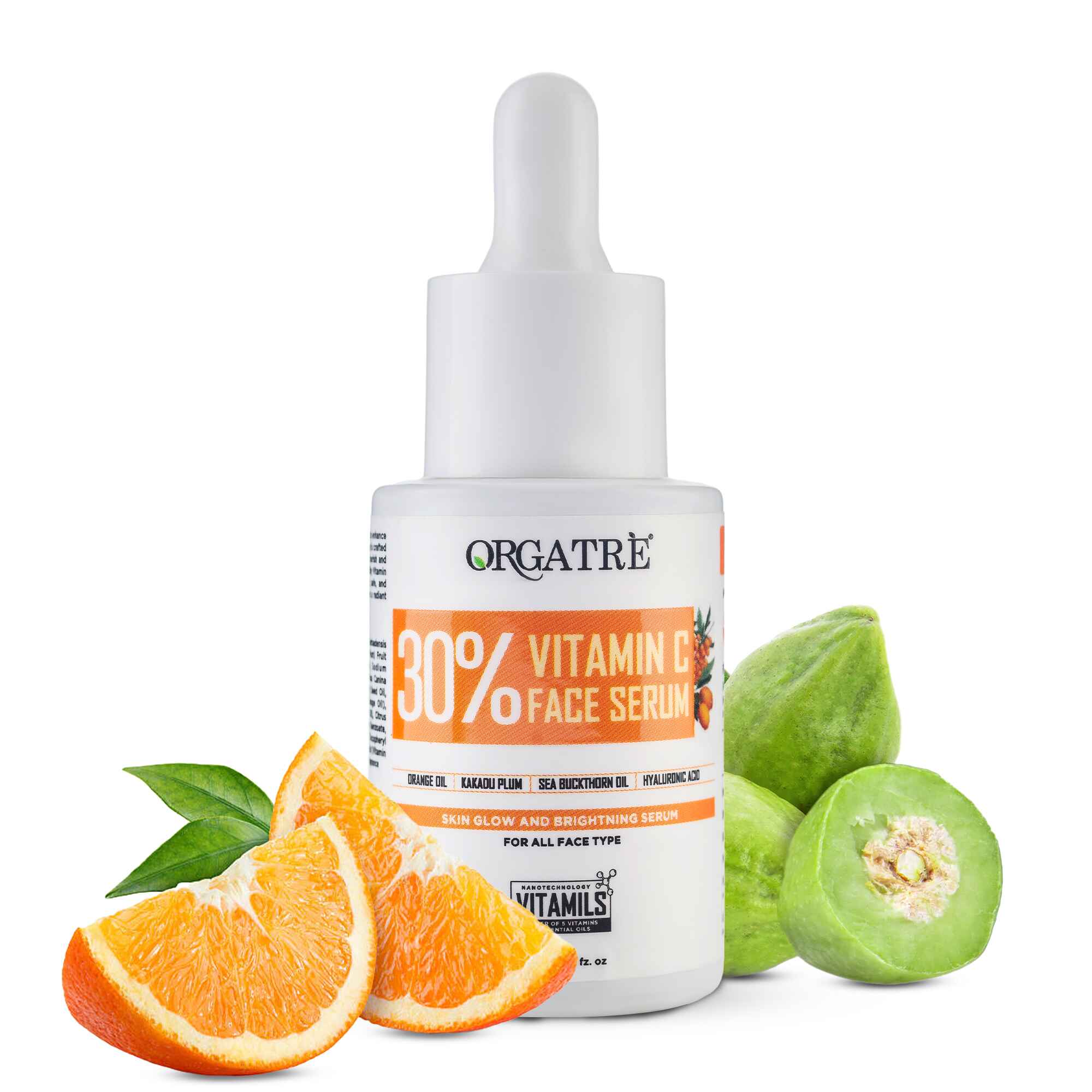
If you're ready to explore retinol products, you can browse the Orgatre Face Serum collection and choose a formula that fits your routine.
For a deeper look at another beginner-friendly active, see our Vitamin C Serum guide.
And if you'd prefer skincare guidance in Hindi, explore our Hindi Skincare Hub for more ingredient and routine advice.


