




Most of us only think about tanning after it's already happened. But once you understand why skin tans in the first place, you can prevent it rather than just react to it after the fact.
Let's Understand Melanin Science
Tanning is your skin's built-in defence system at work. When UV rays hit your skin, cells called melanocytes kick into gear and start producing more melanin. It's the pigment that gives skin its color. That extra melanin pushes up to the surface and acts like a shield, soaking up some of the UV rays before they can do more serious damage. The tan you see is your skin's proof that it noticed the sun and reacted.
The reaction is slow, though. Melanin production ramps up over hours, sometimes days, and it doesn't switch off the second you're back indoors. That's why tanning can seem to get darker even after you're done being in the sun and why one intense day outside can take weeks to fade fully.

The India-Specific Triggers You're Probably Ignoring
A few everyday habits quietly cause more tanning than most people realize:
-
Your daily commute: Fifteen minutes in the sun each way to work or college doesn't feel like "sun exposure" the way a beach day does. Add it up over a week, though, and it's hours of direct UV contact, usually on the same spots (face, arms, and neck) day after day.
-
Riding a two-wheeler: If you get around on a scooter or bike, your face and hands are taking direct, unfiltered sun for the entire ride, often at the exact hours the sun is strongest.
-
Midday errands: UV rays peak roughly between 10 a.m. and 4 p.m. Lunch breaks, school pickups, and even quick trips to the store fall right in this window, and we treat them like nothing.
None of these feels like "getting a tan" while they're happening, which is exactly why they catch us off guard.
A Simple Tanning Prevention Checklist
Once you know what triggers tanning, the next step is building a few simple habits that help prevent skin tanning before it becomes noticeable.
-
Reapply SPF; don't just apply it once: Sunscreen wears off with sweat, time, and sun exposure itself. Reapplying every 2–3 hours matters just as much as putting it on in the morning.
-
Add physical protection on top of SPF: A scarf, wide-brimmed hat, or full-sleeve layer genuinely cuts down direct exposure, especially useful for your commute or a bike ride.
-
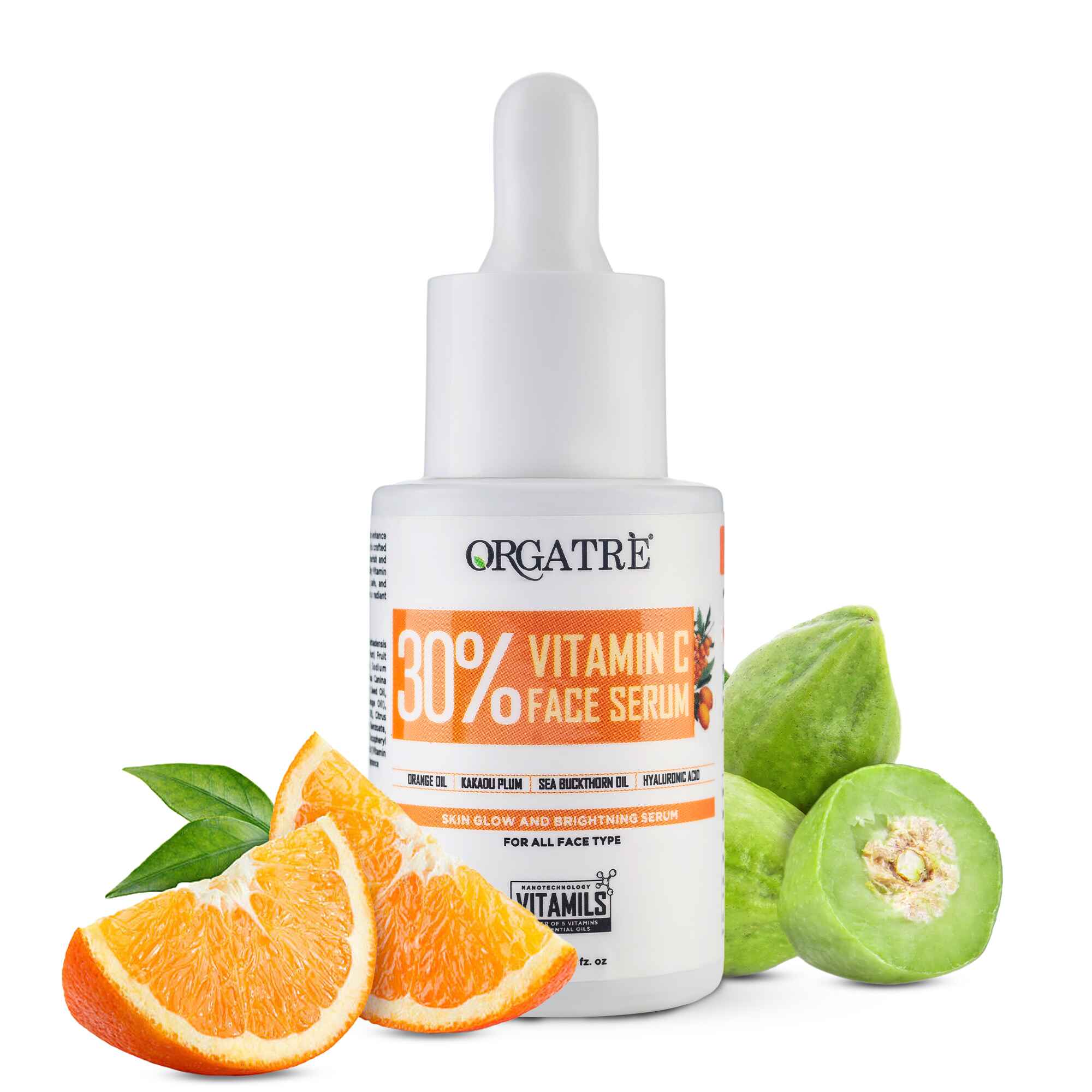
Bring antioxidants into your routine: A vitamin C serum helps fight some of the damage UV causes, working alongside sunscreen, not instead of it.
-
Don't forget the in-between moments: Waiting for a cab, standing at a signal, and walking to the bus stop are small moments that add up fast. Keep your SPF within reach, not just for planned outdoor time.
These UV protection tips take a few minutes to build into your day but make a real difference over weeks and months. And on the days some tan gets through anyway, a de-tan face wash used consistently is what catches it early, before it has a chance to build up.

Tan vs. Sunburn vs. Pigmentation
These three get mixed up a lot, but they're not the same thing.
|
Tan |
Sunburn |
Pigmentation |
|
Cause |
UV-triggered melanin |
UV damage |
|
Appearance |
Darker skin |
Red, painful skin |
|
Duration |
Weeks |
Days |
|
Treatment |
Sun protection + de-tan routine |
Gentle care |

Tan is a short-term rise in melanin from sun exposure. It usually fades on its own over a few weeks, though a de-tan routine can speed that up.
Sunburn happens when your skin takes in more UV than its melanin can handle. It shows symptoms like redness, heat, and sometimes peeling. It's skin damage, and it needs gentle care to heal, not an exfoliating scrub.
Pigmentation, like melasma or dark spots left behind by acne, sticks around much longer. It's often triggered or worsened by repeated sun exposure, hormones, or skin injury, and it usually doesn't fade on its own the way a regular tan does. It needs targeted products or a dermatologist's help.
Knowing which one you're actually dealing with changes what will help. Treating stubborn pigmentation like a regular tan, or the other way around, is a common reason people feel stuck no matter what they try. If your "tan" hasn't budged in over a month despite consistent sun protection, it's worth asking a dermatologist whether pigmentation is the real culprit.
Frequently Asked Questions
Q. Can tanning happen even on a cloudy day?
Yes. Clouds may block some sunlight, but they don't block all UV rays. Your skin can still be exposed to enough UV radiation to trigger tanning, which is why sunscreen remains important even when the weather looks overcast.
Q. Why does my skin look more tanned two or three days after being in the sun?
Tanning isn't always immediate. After UV exposure, your skin gradually produces more melanin, and that process continues even after you've gone indoors. As the pigment rises to the surface, your tan often becomes more noticeable over the next couple of days.
Q. Can I get tanned through car or bus windows?
Yes. Most vehicle windows block UVB rays but allow a significant amount of UVA to pass through. During long commutes, the side of your face or arm closest to the window can still be exposed to enough UVA to contribute to tanning over time.
Q. Will drinking more water prevent tanning?
Staying hydrated helps keep your skin healthy, but it doesn't stop melanin production or prevent a tan. The most effective way to reduce tanning is to limit UV exposure with sunscreen, protective clothing, and shade whenever possible.
Q. How long does it take for a tan to fade?
A mild tan often begins fading within a few weeks as your skin naturally renews itself. Deep tanning can take longer, especially if you're still spending time in the sun without adequate protection. Consistent sun protection helps prevent new tanning while your skin gradually returns to its usual tone.


